

Garage Door Opener Lifespan: Signs It’s Time to Replace Yours
Garage door openers are not built to last forever, and in New Mexico, heat and dust can speed up wear faster than many homeowners expect. Even a high-quality garage door opener will eventually lose reliability as moving parts wear down and electronics age. Understanding the typical garage door opener lifespan helps you avoid sudden failures.
In this guide, you will learn realistic life expectancy ranges, the most common signs indicating an opener is near the end of its life, and when garage door repair versus replacement makes more sense.
If your garage door is behaving dangerously, such as slamming, reversing, or getting stuck halfway, stop using it and have it inspected.
What’s the Average Garage Door Opener Lifespan and What Changes It?
The average lifespan of a garage door opener typically falls within a practical range rather than a fixed number of years. For most residential garage door opener units, life expectancy varies depending on frequency of use, installation quality, and maintenance. An opener used multiple times daily will experience more wear than one used occasionally.
Several factors shorten the lifespan of a garage door opener. Heavy daily cycles in multi-car households create extra strain on the motor and moving parts.
An unbalanced or heavy garage door forces the opener to work harder, accelerating wear and tear. Heat and dust common in Albuquerque garages affect safety sensors, tracks, and internal components, while power outages and surges can damage electronics.
The lifespan of a garage door opener is not a guarantee of how long it will run. It is defined by reliability, safety, and smooth operation, not just whether the unit still operates at all.
The 9 Most Common Signs Indicating Your Opener Is Near the End of Its Life
1. The Garage Door Opener Works Sometimes and Fails Other Times
Intermittent operation is one of the clearest signs indicating a failing garage door opener. The door opener may respond to the wall button but ignore the remote, or work one day and fail the next. These issues often point to failing electronics, worn wiring, or a strained motor.
New Mexico heat can make borderline components act up more frequently. If the problem worsens over time, replacing the unit becomes safer and more predictable than waiting for a total failure.
2. The Opener Runs but the Garage Door Barely Moves or Does Not Move
When the motor runs but the garage door barely lifts, internal gears or the drive system may be worn. Screw drive openers, chain drive systems, and belt drive openers can all develop internal failures after years of use. Trolley or carriage issues can also prevent proper lift.
This can also indicate a garage door spring problem. If the door feels unusually heavy when lifted manually with the opener disengaged, stop and call for service immediately, as springs create extra strain and safety risks.
3. You Hear Grinding, Squealing, or Loud Clunking Noise
Unusual noise beyond normal operation is a warning sign. Grinding, squealing, or clunking often means worn gears, loose mounting, motor strain, or a drive system nearing failure. Noise that increases quickly is a reliability concern.
Older openers that are both noisy and unreliable usually cost more in frequent repairs than replacement. Smooth operation is a key indicator of longevity and durability.
4. The Garage Door Reverses When Closing or Will Not Close Reliably
If the garage door reverses unexpectedly or refuses to close, safety sensors are often involved. Dust buildup can affect photo-eyes, and alignment can drift over time. Cleaning may help temporarily, but recurring issues point to wiring or logic board problems.
Do not bypass safety systems as a fix. Federal requirements exist to protect people and property under the federal safety standard for residential garage door operators:
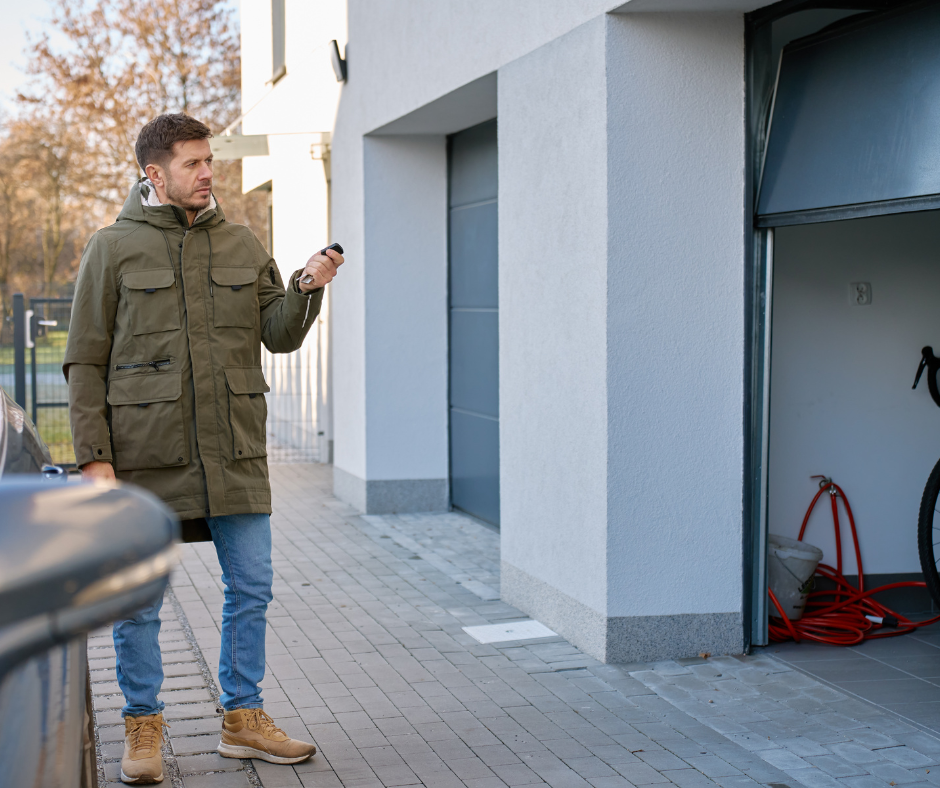
5. You Have to Press the Remote Multiple Times or the Range Has Dropped
When the remote control requires repeated presses or only works close to the garage, start by checking the battery. If the issue persists, the receiver or circuit board may be failing.
When multiple remotes or wireless keypads show the same problem, inspection by a garage door professional is the next step. Declining range often signals internal wear rather than a simple fix.
6. The Opener Needs Frequent Limit or Force Adjustments
Needing repeated limit or force adjustments is a common sign of internal wear or mechanical issues. Sensors may be inconsistent, or the opener may be struggling against extra strain from the door.
From a cost perspective, frequent adjustments usually turn into frequent service calls. At that point, replacement often provides better reliability and long-term value.
7. The Opener Is Older and Missing Modern Safety Features
Older openers may lack modern entrapment protection and enhanced safety sensors. If the opener was manufactured before current safety requirements, upgrading improves safety for your household.
A technician can verify the manufacturer’s date and safety features on the unit. The Consumer Product Safety Commission has issued guidance on non-reversing garage door openers that lack reversing safety features.
8. You Have Had Frequent Repairs in a Single Year
Repeated garage door repair calls within one year are a strong signal that replacement may be the smarter option. Frequent repairs reduce confidence and increase total cost over time.
A new garage door opener can restore reliability, improve security, and reduce ongoing service needs without waiting for a complete failure.
9. Your Opener Is Outdated Even If It Still Runs
Some older openers still operate but lack modern features or support. Smart openers may lose smartphone control or Wi-Fi connectivity as apps and routers evolve. When updates are no longer supported, convenience and security suffer.
Replacing an outdated unit can improve reliability and enhance security, especially when compatibility with newer technology becomes an issue, as outlined in NIST smart home security tips for keeping connected devices safer and more private:
Get a Reliable Garage Door Opener Replacement in Albuquerque
Garage door opener lifespan depends on several factors, including frequency of use, door balance, installation quality, and New Mexico conditions. The signs are usually clear: intermittent operation, loud grinding noise, constant adjustments, and safety-related closing problems. When two or more of these signs appear, waiting often leads to failure at the worst time.
Schedule a diagnosis before your car is trapped or the door is stuck open. For professional garage door installation and opener replacement service, call Unlimited Garage Door Services at (505) 447-9441 during Mon–Fri 8:00 AM–5:00 PM.