
What a Garage Door Safety Inspection Should Include
A garage door can still open and close while individual parts are wearing, shifting out of alignment, or no longer operating as they should. A garage door safety inspection looks beyond basic movement to evaluate the mechanical, structural, and opener-related parts of the system together.
For Albuquerque homeowners, that means inspecting the door panels and hardware, tracks and rollers, springs and cables, door balance, garage door opener, and built-in safety features. Changes such as shaking, hesitation, unusual sounds, uneven travel, or visible wear can all warrant a closer look.
A good inspection identifies conditions that deserve attention while keeping potentially hazardous repairs in the hands of properly trained technicians.
Start With the Garage Door, Tracks, Rollers, and Hardware
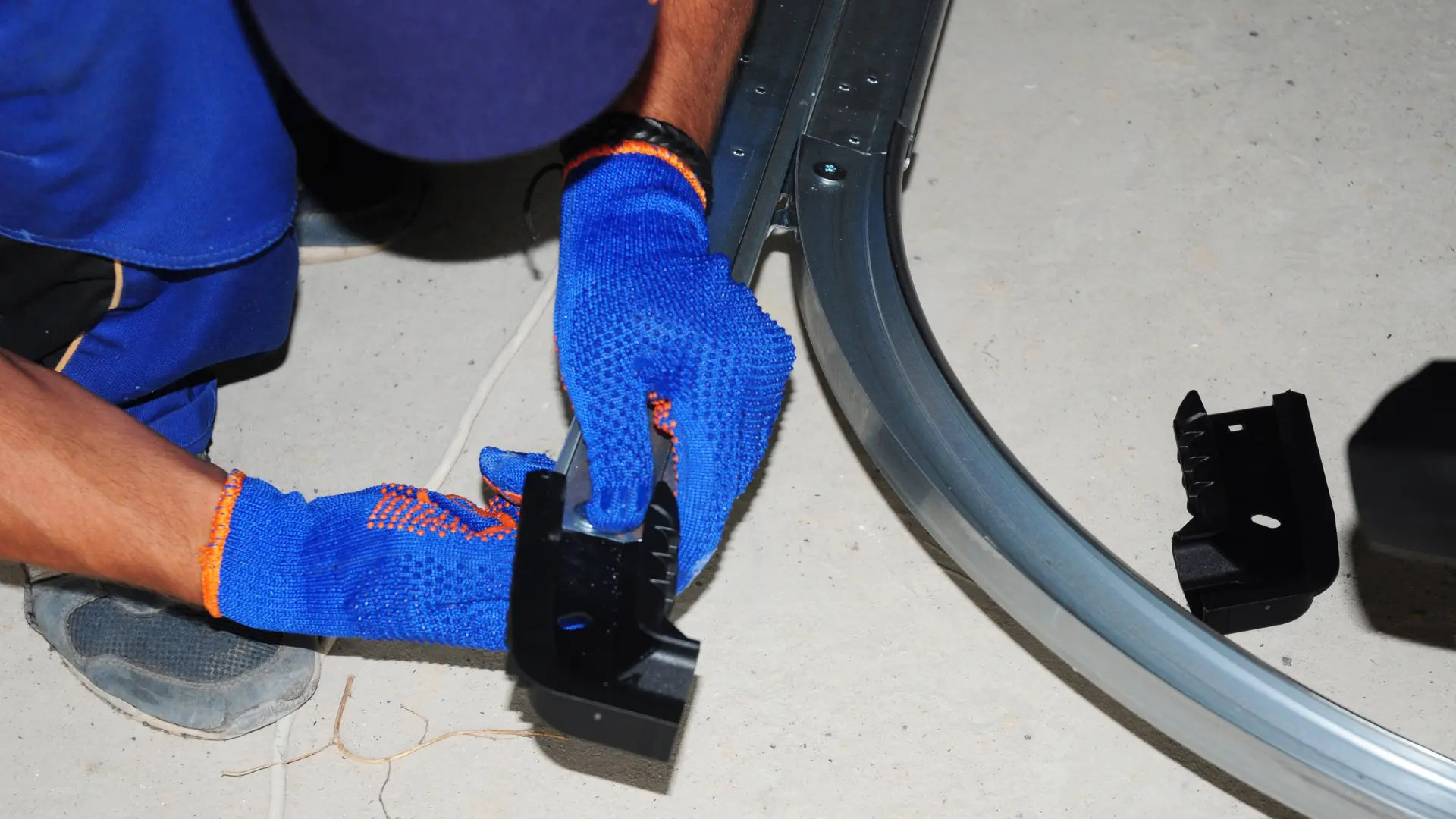
A safety inspection begins with a routine visual inspection of the physical garage door and the hardware that supports and guides its movement.
The door panels or sections should be checked for visible damage, deformation, deterioration, or gaps that have changed over time. Weatherstripping and the bottom seal also deserve attention because damage can affect how completely the door closes against the garage floor and frame.
Other inspection points include:
- Hinges and reinforcement brackets with visible wear, damage, or looseness
- Rollers that appear worn, damaged, or out of position
- Tracks with visible damage, debris, or alignment concerns
- Fasteners and other hardware attached to the door that appear loose
- Garage door handles or safe gripping points used for manual operation
These conditions may show up as resistance, shaking, squeaking, scraping, or less-smooth operation during normal use.
Observation is different from making your own repairs. Homeowners should not loosen, remove, or adjust load-bearing hardware simply because something appears out of place. The Door & Access Systems Manufacturers Association offers additional garage door safety tips and recommends caution around components that require a trained door systems technician.
Springs, Cables, and Door Balance Require Careful Evaluation
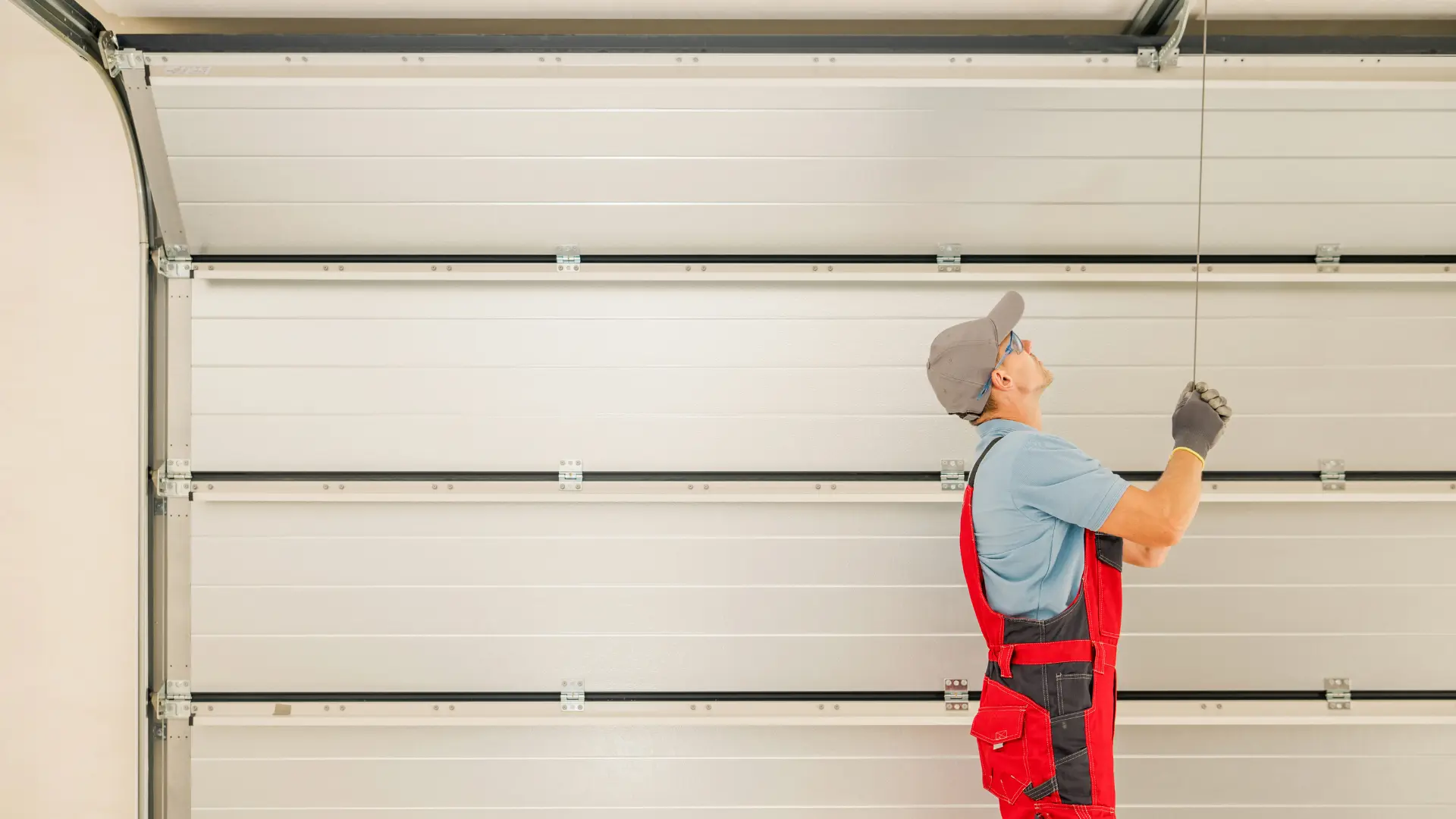
Garage door springs counterbalance much of the door’s weight, allowing the system to move in a controlled manner. Because a residential garage door can be one of the largest moving components in a home, the condition of the spring system and cables deserves particular attention during a safety inspection.
A torsion or extension spring with obvious separation, corrosion, or physical damage warrants professional evaluation. Cables should also be visually checked for fraying, wear, damage, or unusual positioning. Doors equipped with extension springs may also use a safety cable intended to help contain the spring if it breaks.
Door balance offers another clue about system condition. A struggling door that feels unusually heavy, drops, moves unevenly, or no longer operates smoothly may indicate a balance or spring-system issue. Those symptoms do not identify the failed component on their own.
Springs, cables, bottom brackets, and connected components can be under significant tension and present a serious risk when handled incorrectly. A properly trained technician should adjust, wind, loosen, or replace them.
If an inspection instead reveals substantial deterioration or structural damage to the door itself, garage door replacement and installation may be considered after the full system has been evaluated.
Check the Garage Door Opener and Built-In Safety Features
The automatic garage door opener deserves its own part of the safety inspection. A functional garage door that opens and closes does not automatically mean every safety device is working correctly.
Photo-eye sensors should be checked for visible damage, obstruction, positioning concerns, and proper response. These devices are designed to detect an obstruction in the door’s path and signal the opener so the door does not continue closing normally.
The automatic reversing feature is another important inspection point. Proper reversal helps reduce the risk of contact with people, pets, vehicles, or objects beneath the door. Modern garage door openers may also include additional safety features, but the exact features vary by model and installation.
As part of the opener inspection, check for:
- Consistent response from wall controls, remote controls, and the keypad
- Unusual hesitation, vibration, or noise as the opener operates
- Proper condition and accessibility of the manual release mechanism
- Smooth travel to the fully open and fully closed positions
The release mechanism allows the electric garage door opener to be disengaged for manual operation when needed, including during a power outage.
The garage door safety sensors and reversing system should be treated as functioning safety devices, not assumed to work because the door moves. Also, keep children away from operating garage doors and teach them not to play beneath or near the door.
Watch and Listen Through a Complete Opening and Closing Cycle
A stationary visual inspection cannot reveal every operating problem. Watching the garage door through a full opening and closing cycle shows how the door, hardware, spring system, and opener work together in motion.
Look for jerking, shaking, hesitation, binding, uneven travel, or a slow garage door that behaves differently than usual. Listen for grinding, scraping, popping, or persistent squeaking that was not previously present.
The door should reach its fully open and closed positions consistently and move smoothly. A change in sound or travel may indicate that a garage door part deserves closer evaluation, but it should not be treated as proof that one specific component has failed.
Safe everyday operation matters too. Keep the moving door in sight until it stops, keep hands clear of section joints and hinges, and use garage door handles or designated gripping points if manual operation is necessary.
If recurring symptoms appear to originate from the opener, homeowners may also need to consider whether it makes more sense to repair or replace a garage door opener.
What Should Happen If the Inspection Finds a Garage Door Safety Concern?
A useful safety inspection should leave the homeowner with a clear understanding of what was observed and whether the finding relates to routine maintenance, reliable operation, or a more significant safety concern.
Possible findings include worn rollers, loose or damaged hardware, cable concerns, spring problems, poor door balance, sensor issues, or inconsistent opener performance.
The appropriate next step depends on the actual condition found:
- Routine maintenance may include addressing ordinary wear, checking hardware, and making sure moving components receive appropriate lubrication according to manufacturer guidance.
- Repair or component replacement may be appropriate when a specific garage door part is damaged or no longer functioning correctly.
- Further professional diagnosis may be needed when one symptom has several possible causes.
- Door replacement may be considered when deterioration or structural damage makes continued repair less appropriate.
Regular maintenance and safety checks can help identify wear before it develops into a larger problem. For ongoing safety, we recommend regular safety checks and maintenance, along with periodic professional service when needed. Homeowners should also follow the manufacturer’s instructions for model-specific inspection and maintenance guidance.
Schedule a Garage Door Safety Inspection in Albuquerque
A thorough garage door safety inspection considers the physical door, hardware, springs, cables, balance, garage door opener, safety features, and complete operating cycle together. That provides a clearer picture than simply confirming that the door still opens and closes.
Changes in noise, movement, reliability, sensor response, or visible component condition are reasonable signs that the system deserves further evaluation. Regular maintenance can also help keep components operating smoothly and identify developing concerns earlier.
Unlimited Garage Door Services provides garage door repair and preventive maintenance for homeowners in the Albuquerque metro and surrounding New Mexico communities, including balance and safety checks, hardware inspection, track alignment, and photo-eye calibration.
Call (505) 447-9441 to schedule service or request a free estimate.